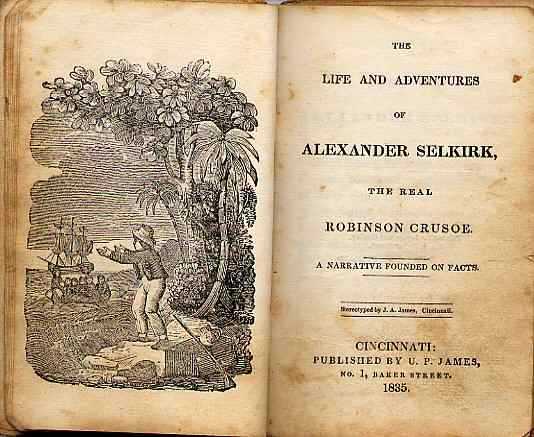
Cast away on a desert island, surviving on what nature alone can provide, praying for rescue but fearing the sight of a boat on the horizon. These are the imaginative creations of Daniel Defoe in his famous novel Robinson Crusoe. Yet the story is believed to be based on the real-life experience of sailor Alexander Selkirk, marooned in 1704 on a small tropical island in the Pacific for more than four years, and now archaeological evidence has been found to support contemporary records of his existence on the island.
Alexander Selkirk was born in the small seaside town of Lower Largo, Fife, Scotland in 1676. A younger son of a shoemaker, he was drawn to a life at sea from an early age. In 1704, during a privateering voyage on the Cinque Ports, Selkirk fell out with the commander over the boat's seaworthiness and he decided to remain behind on island, now named Robinson Crusoe, where they had landed to overhaul the worm-infested vessel.
He cannot have known that it would be five years before he was picked up by an English ship visiting the island.